
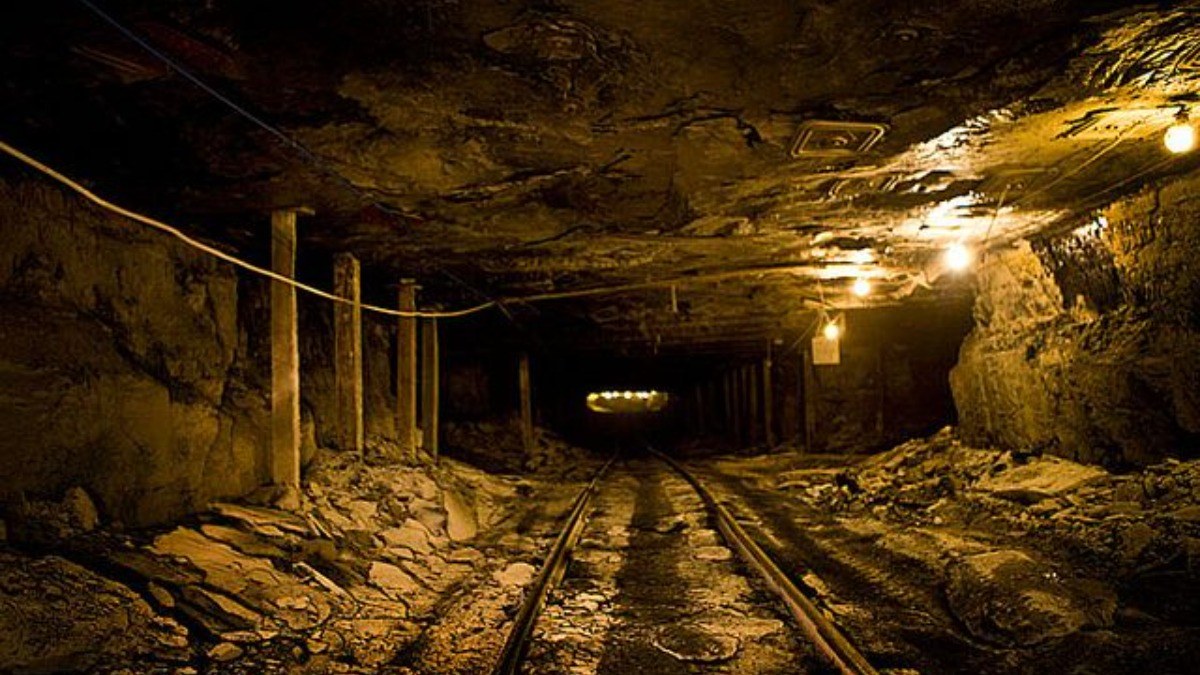
Underground mining remains one of the most physically demanding and least monitored work environments in the world. Workers operate for hours in confined shafts and tunnels, often with limited airflow, high ambient temperatures, and no reliable network connectivity to report distress in real time.
Why Heat Stress and Hypoxia Go Undetected
Heat stress and hypoxia (low oxygen levels) develop gradually. A worker's heart rate climbs, core temperature rises, and cognitive function slows — but by the time symptoms are visible to a supervisor, the worker may already be in a medical emergency. Traditional safety protocols rely on visual checks, radio call-ins, and shift-end reporting, none of which catch a deteriorating physiological state as it happens.
The Case for Continuous, On-Site Vital Monitoring
Mining sites don't have the luxury of constant cloud connectivity. Any safety system built for underground work has to function fully offline, processing data where the worker is, not in a server hundreds of kilometers away. This is why smart wearables paired with Edge AI processing are becoming essential to modern mine safety programs — vital signs like heart rate, oxygen saturation, motion, and body temperature are analyzed on-device, in real time, with no dependency on network coverage.
From Raw Signals to an Actionable Alert
The real value isn't in collecting data — it's in turning bio-signals into a decision someone can act on before an incident occurs. A supervisor at the surface should be able to see, at a glance, which worker underground is showing early signs of heat stress or oxygen deprivation, and get that alert early enough to intervene.
This is the problem Aaryavarta's AI-Based Human Vital Intelligence System is built to solve — rugged, field-ready wearables combined with Edge AI and a real-time command dashboard, designed specifically for disconnected, high-risk environments like underground mining.
Building Safer Mines, One Shift at a Time
As mining operations push into deeper, more remote sites, the gap between traditional safety compliance and what's actually needed on the ground keeps widening. Predictive, real-time vital monitoring isn't a luxury upgrade — it's becoming the baseline for any operation serious about reducing preventable fatalities.