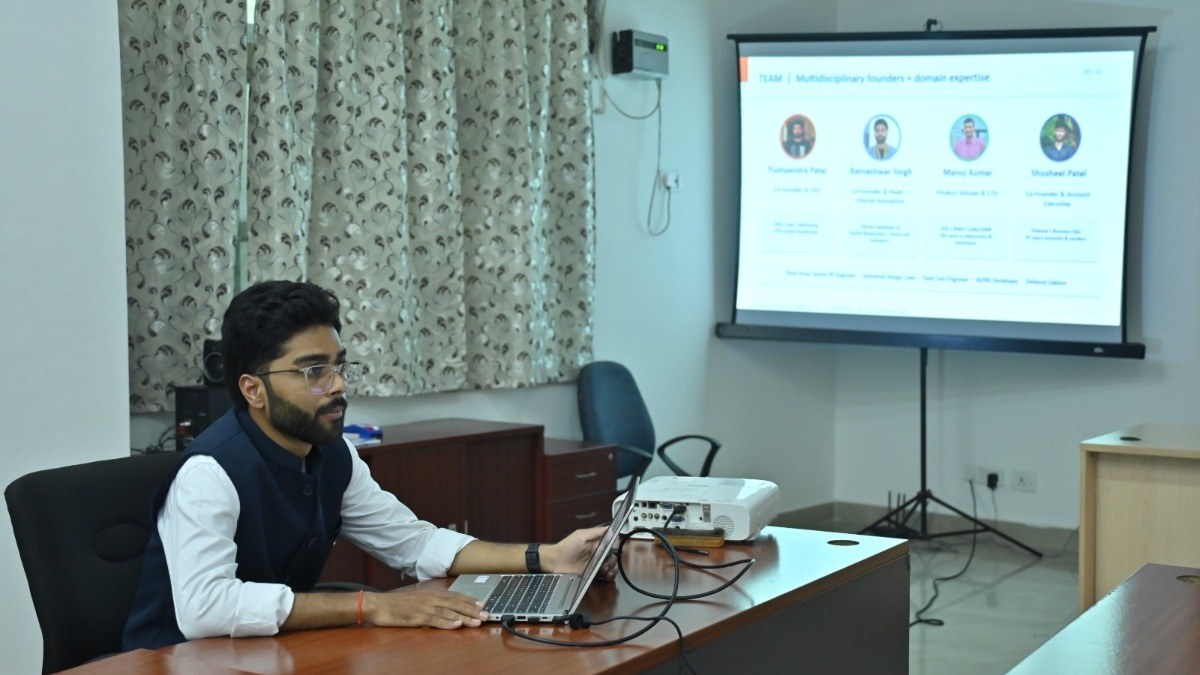
Aaryavarta Pitches HVIS at the Bihar Startup Showcase, CIMP Patna
Our Co-Founder & Head of Clinical Innovation, Ratneshwar Singh, pitched HVIS to investors at the Second Edition of the Bihar Startup Showcase at CIMP Patna.
Read the full note
Short, practical write-ups from our team on Edge AI, machine learning, and what it takes to build intelligence systems that hold up in remote and disconnected environments.
Our Co-Founder & Head of Clinical Innovation, Ratneshwar Singh, pitched HVIS to investors at the Second Edition of the Bihar Startup Showcase at CIMP Patna.
Read the full note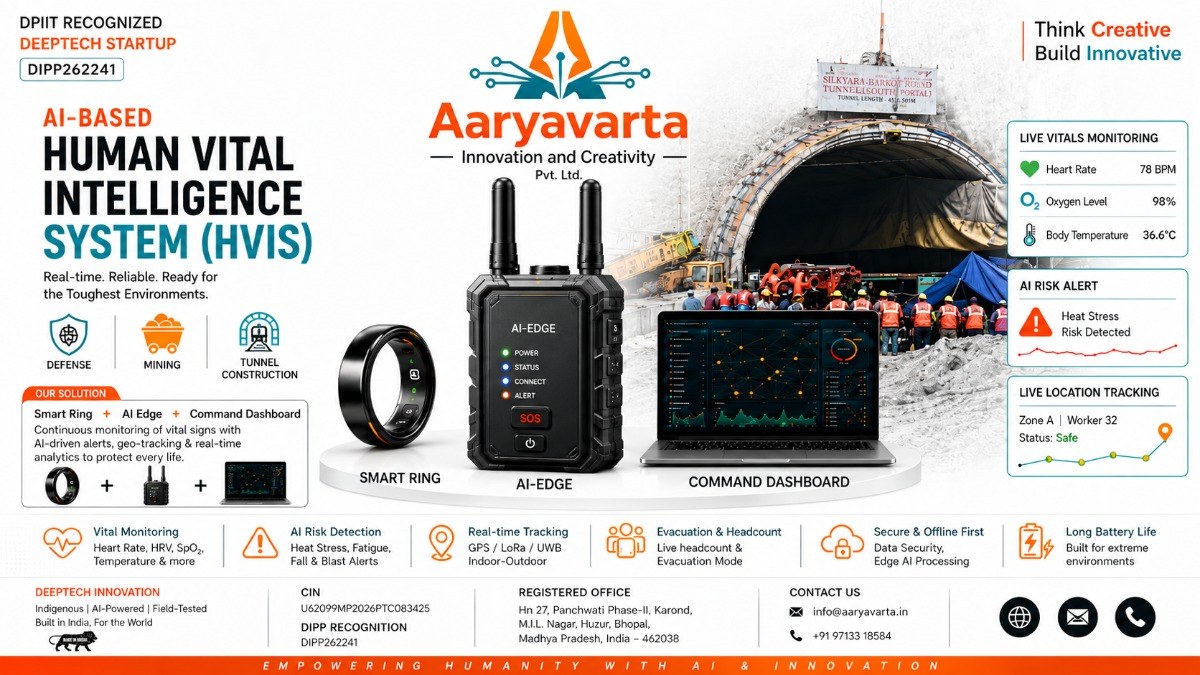
AI-Based Human Vital Intelligence System — Real-time. Reliable. Ready for the Toughest Environments.
Read the full note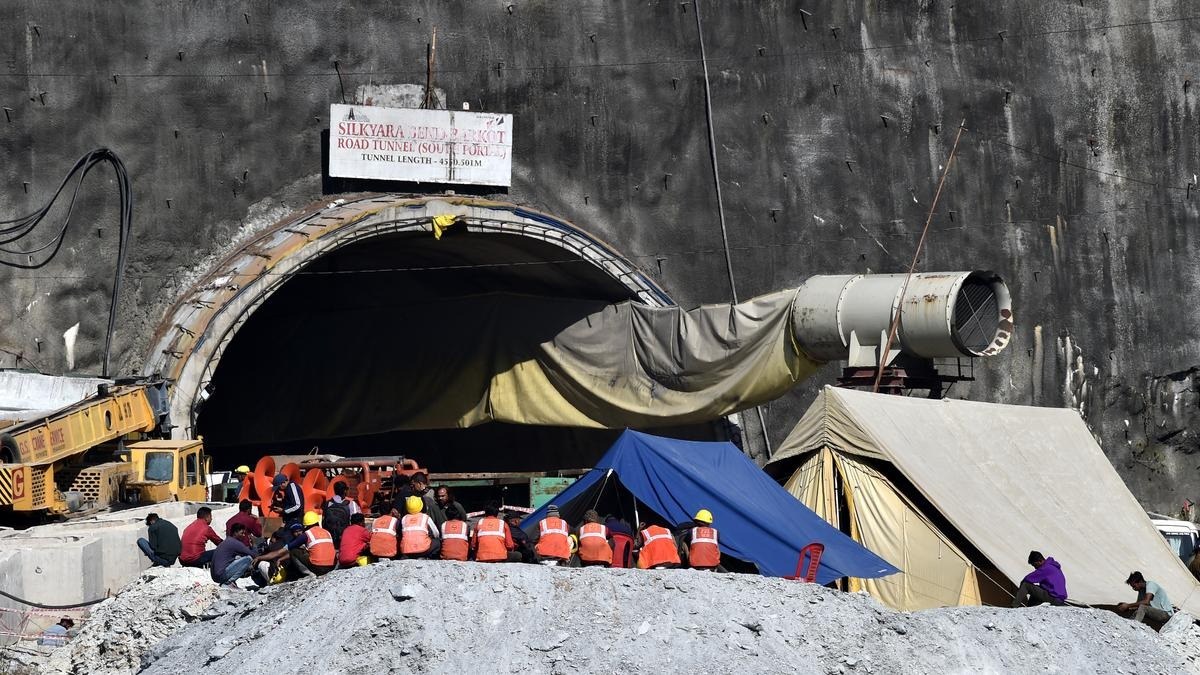
On Diwali morning 2023, 41 workers were trapped inside the Silkyara–Barkot tunnel. They survived. But the investigation revealed a gap that still exists across India's tunnels — and it is the gap Aaryavarta is building HVIS to close.
Read the full note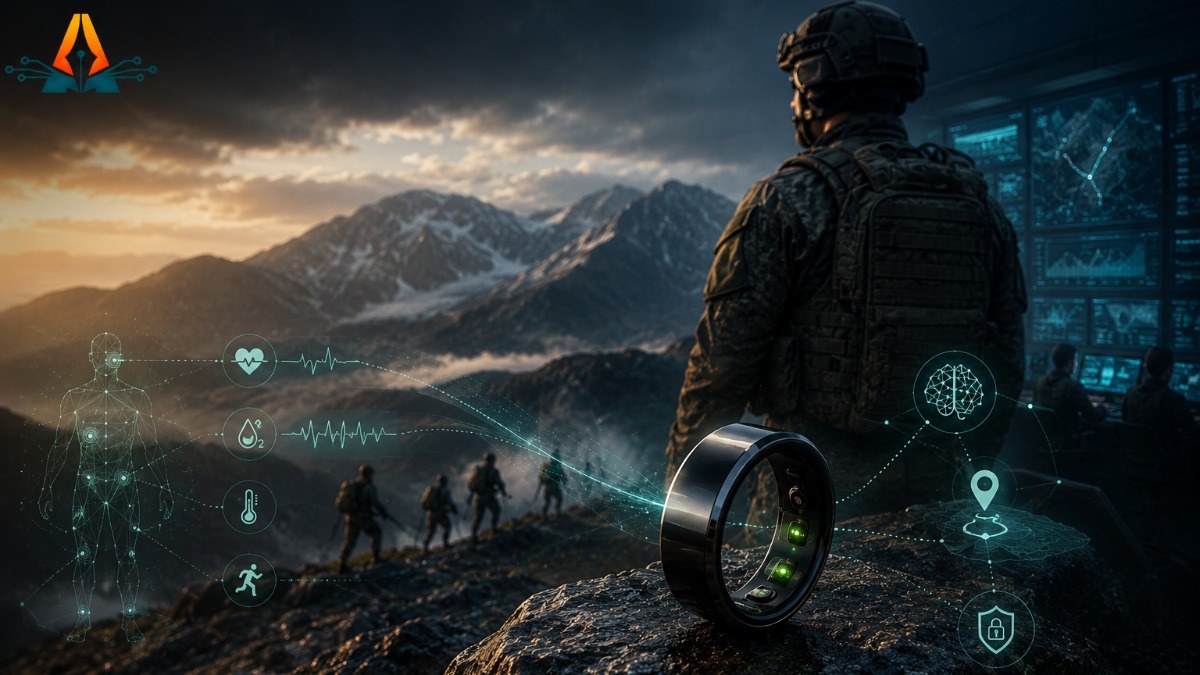
HVIS isn't a single sensor or a single dashboard — it's a pipeline that turns a heartbeat into a decision a commander can act on in seconds. Here's how each layer works.
Read the full note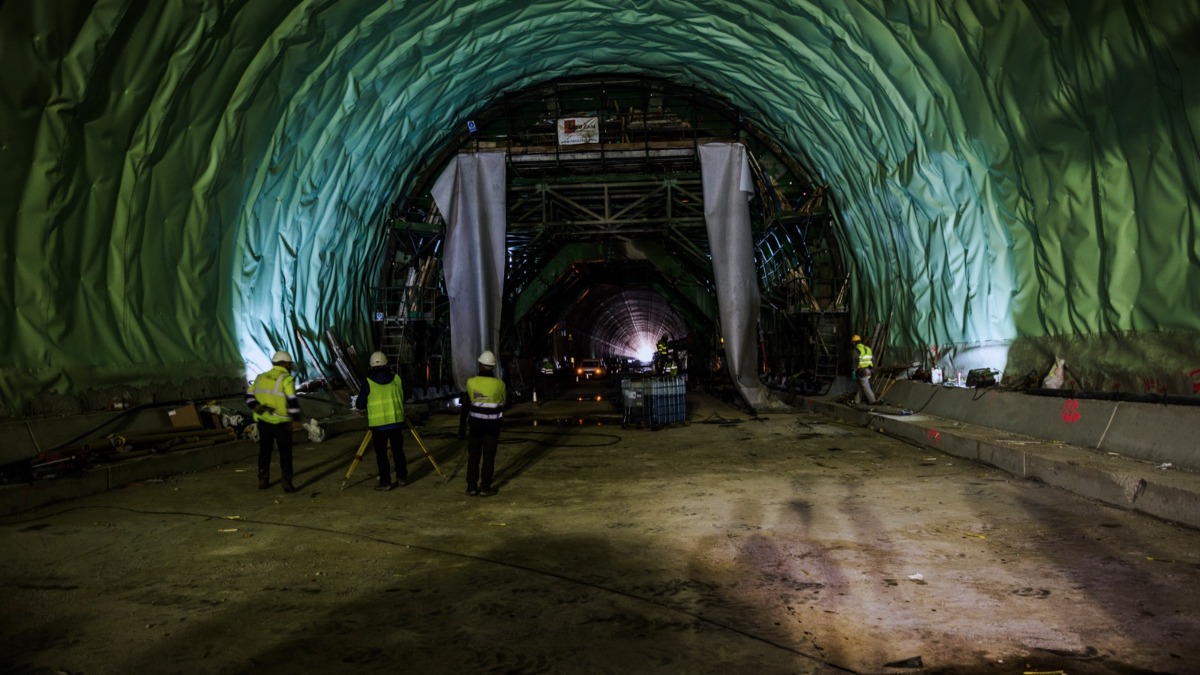
Tunnel construction combines two of the hardest safety conditions at once — confined spaces and no connectivity. Standard monitoring systems weren't built for either.
Read the full note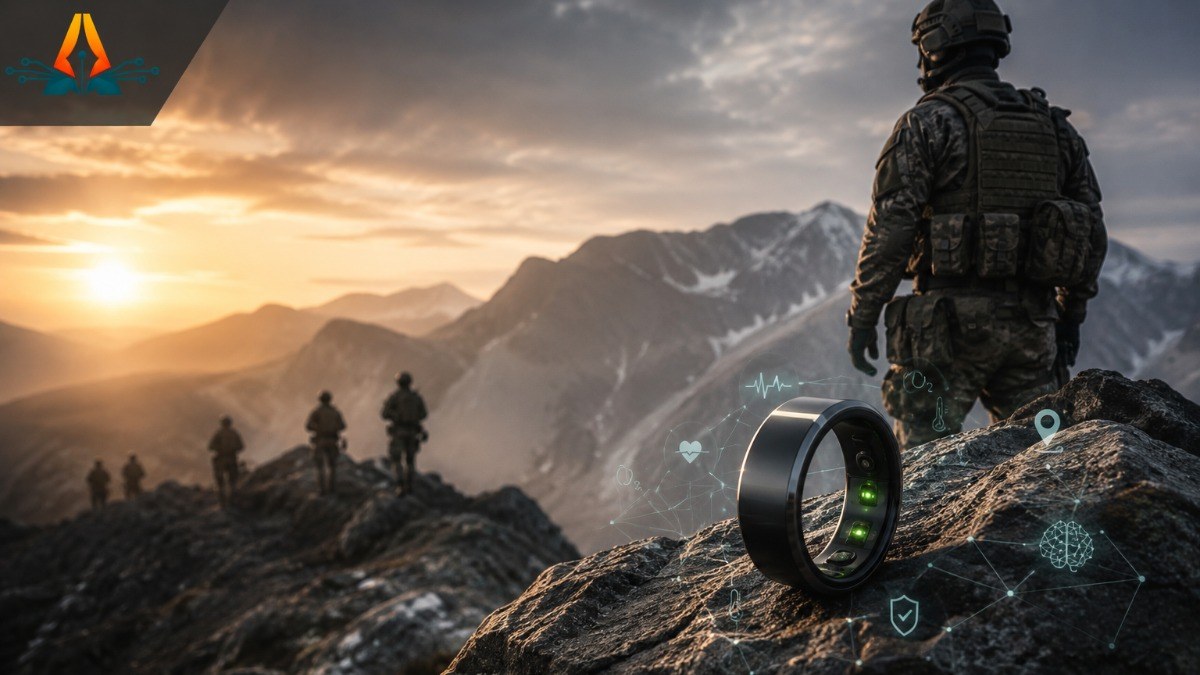
A fitness tracker and a field-deployed safety wearable may look similar on the wrist — but the engineering requirements behind them are worlds apart.
Read the full note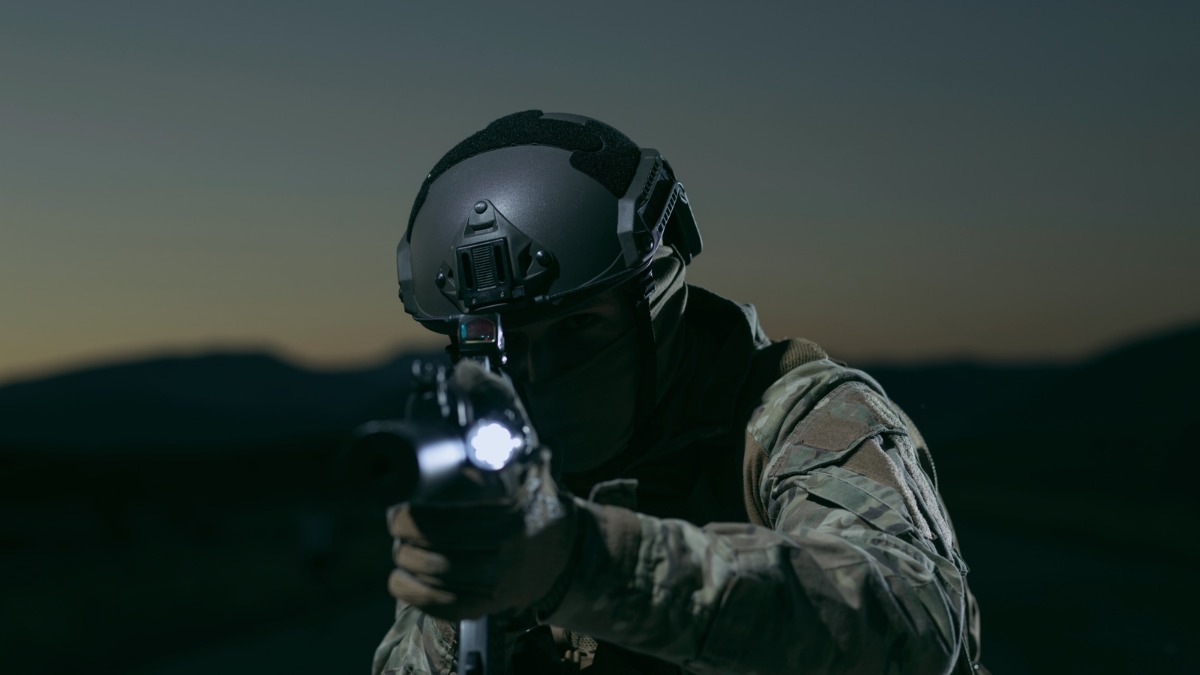
Non-battle injuries and medical emergencies account for a significant share of casualties in remote deployments. Here's why faster detection — not just faster response — is the missing piece.
Read the full note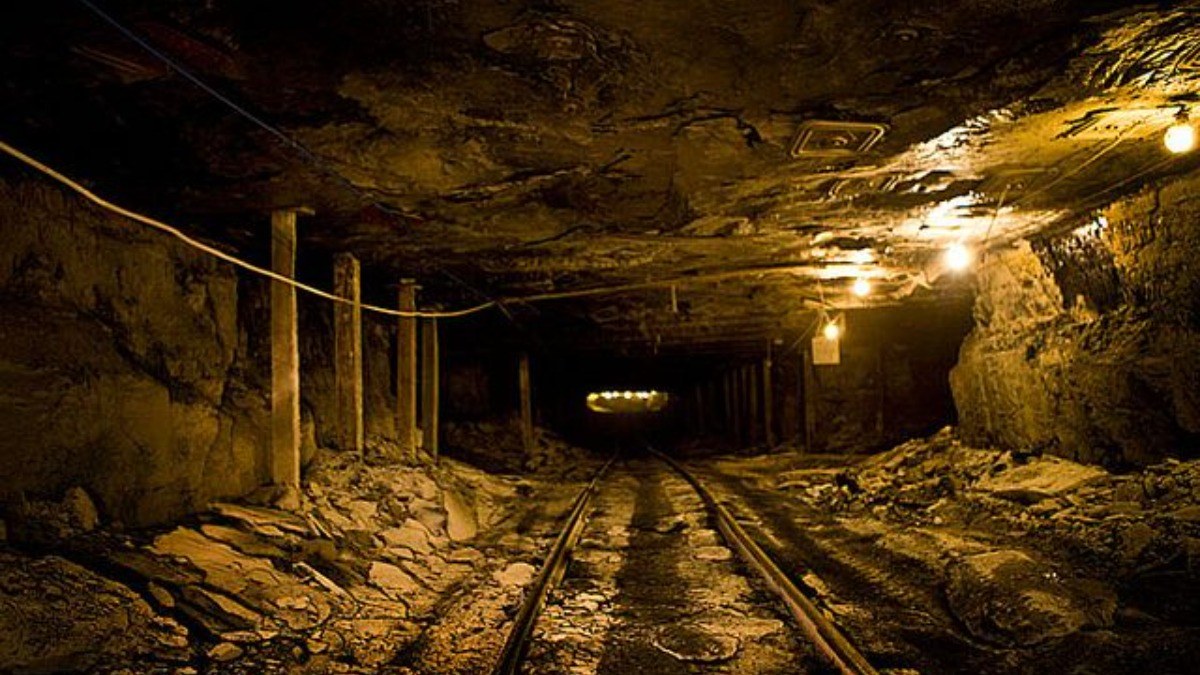
Heat stress and hypoxia rarely announce themselves until a worker is already in trouble. Here's why underground mining crews need real-time vital monitoring, not after-the-fact reporting.
Read the full note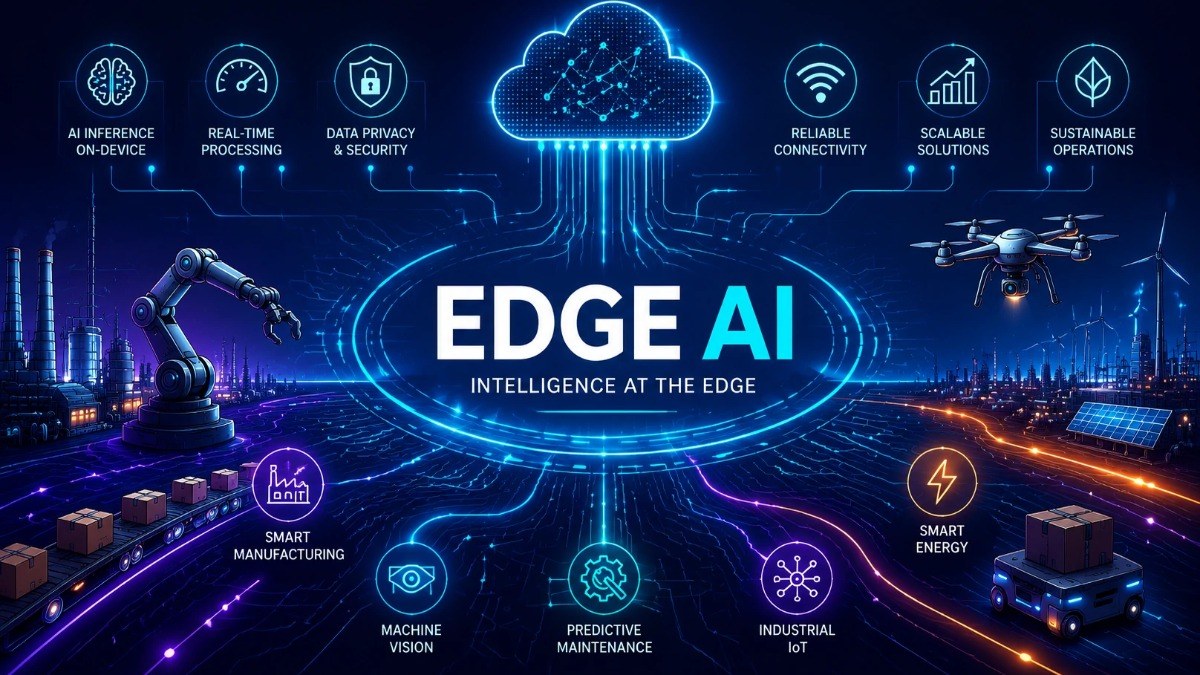
In a mine shaft or a tunnel bore, connectivity isn't intermittent — it's usually absent. Any safety system that depends on the cloud to make a decision has already failed before it starts.
Read the full note
Raw sensor data isn't intelligence. The hard part of a vital intelligence system isn't capturing heart rate or oxygen levels — it's turning that stream into a decision someone can act on in seconds.
Read the full note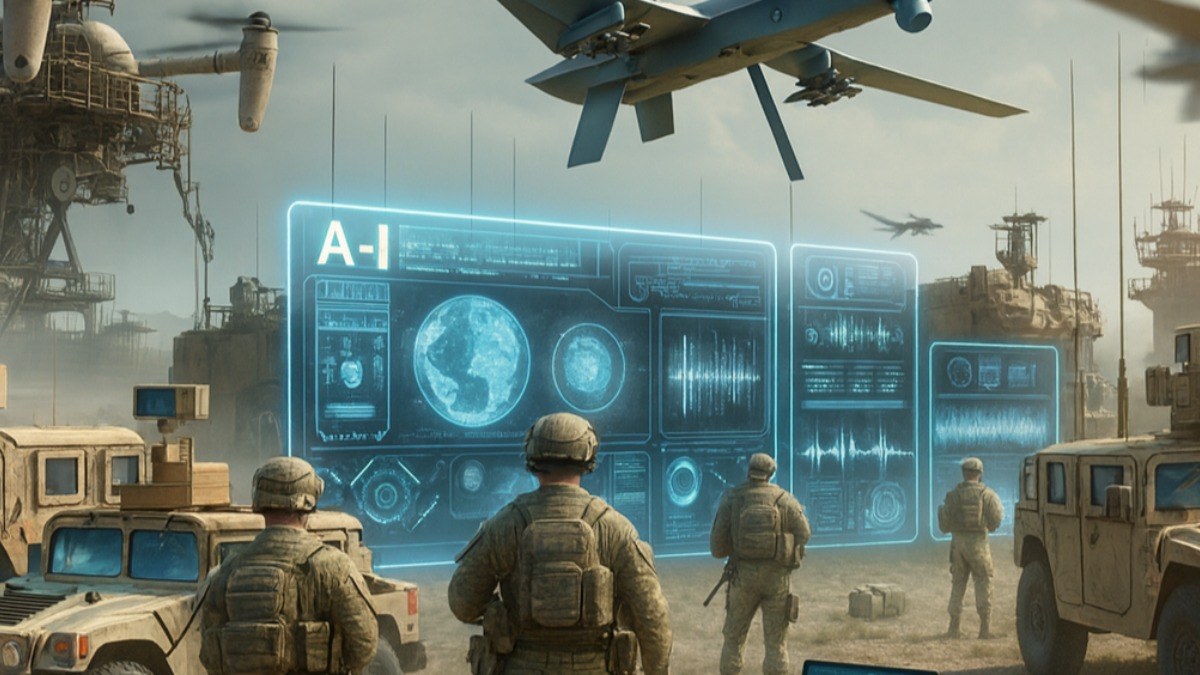
DPIIT recognition opened doors, but building sovereign safety technology for Defense, Mining, and Tunnel Construction means holding ourselves to a higher bar than most software startups ever have to.
Read the full noteNo articles match your search. Try a different keyword or category.